Traditional Saharan Sand Bath
Discover a longstanding Berber wellness practice associated with the hot desert sands of Merzouga.
Enquire about availabilityExplore accommodation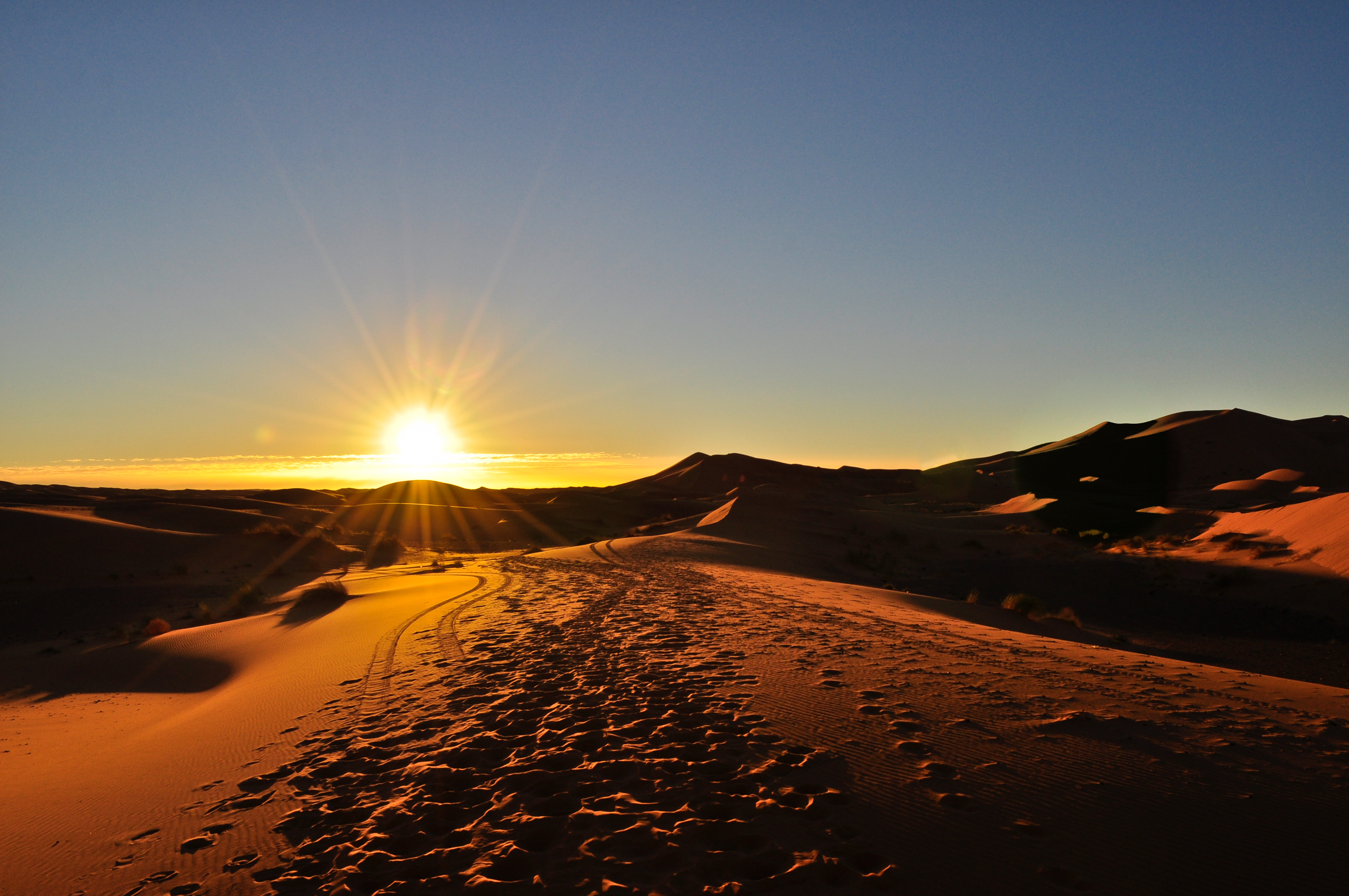
Understanding the hot-sand tradition responsibly
Hot-sand bathing is sometimes described in travel writing as a distinctive Merzouga tradition. It is associated with the intense heat of the Sahara summer and with longstanding local customs. Learning about its history can be interesting even for travellers who do not intend to participate.
It is essential to separate cultural interest from medical claims. There is no established clinical basis for presenting burial in hot sand as a treatment for chronic pain, rheumatism or other conditions. Extreme heat can be dangerous, including for otherwise healthy visitors. We recommend seeking professional medical advice before considering exposure and choosing safer experiences whenever there is uncertainty.
Three sensible ways to approach the subject
Understand the tradition
Ask about the history and cultural background of the practice. Traditional knowledge and stories can be explored without implying a medical benefit or participating in the heat exposure.
Put your health first
The risk of burns, dehydration, heatstroke and cardiovascular strain is real. Do not attempt an improvised hot-sand session or rely on informal treatment advice.
Choose an alternative outing
A guided visit to the dunes at a cooler hour, a local cultural excursion or an accessible scenic trip can help you appreciate the region without extreme heat.
If you are interested in this tradition
Gather reliable information
Speak with the riad about the tradition as a cultural subject, not a cure. Do not assume it is available year-round or appropriate for every person.
Seek medical guidance
If you are considering participation, get individualized advice from a qualified medical professional, especially with health conditions, pregnancy or medicines affecting temperature regulation.
Prioritize a safe alternative
When temperatures are high or personal health risks exist, do not participate. Ask instead about other seasonal desert activities with suitable transport, hydration and rest.
Health precautions that should never be ignored
Heatstroke
Confusion, collapse, severe headache or other signs of overheating require urgent medical attention.
Underlying conditions
Cardiac disease, diabetes, blood-pressure issues, respiratory conditions and pregnancy can increase the risk of serious complications.
Children and vulnerable visitors
Extreme-heat rituals are not suitable activities to arrange casually for children or vulnerable travellers.
No proven cure
Do not discontinue a prescribed treatment or delay medical care based on claims about traditional sand exposure.
Frequently asked safety questions
Is the hot-sand ritual a spa treatment?
It should not be treated as an ordinary spa service. Heat exposure involves medical risks and should not be undertaken casually.
Can it cure arthritis or rheumatism?
No reliable clinical evidence establishes it as a treatment. Seek medical care for pain or inflammation.
Can we learn about it without trying it?
Yes. You can enquire about the cultural history and choose safer ways to discover Merzouga.
Discover the Sahara with safety in mind
Ask about cultural experiences and activities suited to your season and travel group.
A tradition rooted in the Sahara
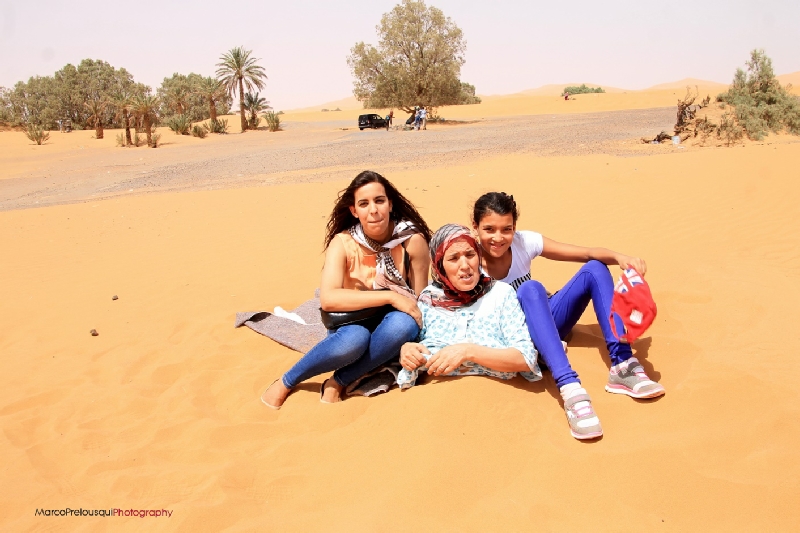
In the summer months, the warmed sand of the Merzouga dunes has traditionally been used in sand-bath rituals. Maison Adrar can provide information about local arrangements by prior request.
This is a traditional practice, not a proven treatment for rheumatic or other diseases. Extreme heat can cause dehydration, burns, heatstroke and cardiovascular strain.
Important health and safety information
Consult a qualified medical professional before considering this activity, particularly if you have heart, blood pressure, respiratory or other health conditions. Avoid intense heat during illness, pregnancy or when taking medications that affect temperature regulation. Do not attempt this activity without appropriate medical clearance and trained supervision.
The riad can advise on local arrangements; safety and suitability must be assessed individually.
Ask about summer arrangements
Contact Maison Adrar for information about the traditional sand-bath season and other desert activities.
Request a reservationWhatsApp usUnderstanding traditional sand baths in Merzouga
Sand-bathing, sometimes called a traditional hot-sand ritual, is associated with the intense summer heat of the Sahara. The practice is part of local cultural history, but it should not be presented as a cure for rheumatism, pain or any medical condition.
A seasonal tradition
Sand temperatures vary with season, weather and time of day. The ritual is not a year-round attraction and should never be improvised.
Health comes first
High-temperature sand exposure can cause burns, dehydration, heat exhaustion and heatstroke, particularly for people with underlying medical conditions.
Ask before planning
If you are interested in learning about this local practice, contact the riad for information. Participation should be considered only with appropriate medical clearance and safe supervision.
Not a substitute for medical care
There is no established basis for treating sand baths as medical therapy. People with cardiovascular conditions, blood pressure concerns, diabetes, respiratory conditions, pregnancy or other risk factors should not participate without individualized medical advice. Stop immediately if any heat-related symptoms occur.
Other ways to experience the Sahara
If you prefer to avoid extreme heat, you can still explore Merzouga through a guided dune walk at a suitable hour, local cultural experiences or a desert excursion. Discuss the available options and weather conditions with the organiser.
Sand bath FAQs
Does a sand bath treat joint pain or rheumatism?
Do not rely on sand bathing as a treatment. There is insufficient reliable evidence for medical effectiveness, while heat exposure carries real risks.
When are traditional sand baths practiced?
They are associated with Merzouga’s hotter months. Exact availability varies and must be confirmed locally.
Can children participate?
Extreme-heat practices are not appropriate to arrange casually for children. Seek professional medical advice and consider safer alternatives.